 Business License

Regarding the PD3.0 fast-charging protocol for USB devices
Fast-charging protocols essentially address the trade-off between "safety" and "efficiency." Their core principle is straightforward:
Basic Principle: Charging power is increased by boosting either the voltage or the current (Power [W] = Voltage [V] × Current [A]).
Workflow: This is a standard closed-loop process of "negotiation–power delivery–feedback," which typically involves the following steps:
Device Detection: The charger detects that the phone has been connected via the data cable, primarily through the CC pin on the Type‑C port.
Capability Exchange: The charger and the phone each inform the other of their supported voltage and current ranges.
Power Request Initiation: Based on the current battery level (e.g., requesting higher power when the battery is low), temperature, and battery health, the phone sends a specific voltage and current request to the charger.
Confirmation or Rejection: The charger evaluates whether the request falls within its capabilities. If acceptable, it complies and delivers power as requested; otherwise, it offers the best available configuration within its limits.
1️⃣ Representative Public Protocols
USB Power Delivery (USB PD): Currently the most widely adopted standard. Based on the USB‑C interface, it is supported by nearly all Apple and Android smartphones, laptops, and other devices—45. With flexible voltage regulation, it delivers efficient charging; the latest version supports up to 240 W—2.
PPS: A programmable power supply subset within the USB PD 3.0 standard, enabling chargers to dynamically adjust voltage in 20 mV increments. It provides precise power tailored to the battery's real‑time needs, ensuring more efficient charging at lower temperatures—37–41.
Quick Charge (QC): A protocol developed by Qualcomm, primarily used in devices equipped with Snapdragon processors. The latest QC5 supports fast charging at 100 W+—45.
UFCS: A unified fast‑charging standard spearheaded by China, designed to harmonize fast‑charging across brands, ending fragmentation and enabling cross‑brand fast charging—.
2️⃣ Representative Proprietary Protocols
OPPO VOOC / SuperVOOC: Uses a low‑voltage, high‑current approach, resulting in minimal heat generation and high energy‑conversion efficiency (up to 95%)—15–45. SuperVOOC has achieved fast‑charging power levels exceeding 200 W—9.
Huawei SCP / FCP: The newer SCP employs a low‑voltage, high‑current design, with power ratings up to 88 W; the earlier FCP uses a high‑voltage, low‑current configuration—15–45.
vivo FlashCharge: Also focuses on high power, currently reaching 200 W—9–15.
Xiaomi HyperCharge: Specializes in ultra‑high‑power fast charging, now at 300 W—.
Buying Guide: How to Choose the Right Charger?
First, check your phone's supported protocols: Refer to the technical specifications on the official website, or look for battery-related information near the charging port or in the phone's settings to determine which protocols your device supports.
For the ultimate fast‑charging experience, go with the original: If you want to enjoy the officially advertised maximum speed and stability, the safest choice is to use the original charger and cable.
When charging across brands, stick to industry‑standard protocols:
When selecting a third‑party charger, prioritize models that support USB PD—especially PPS—as these currently offer the best cross‑brand fast‑charging compatibility—27.
As the UFCS protocol becomes more widespread, cross‑brand fast charging will become even more convenient in the future—27.
A crucial detail often overlooked: the cable. To achieve high‑power fast charging, the cable must be up to the task. For example, 100W PD charging requires a cable equipped with an E‑Marker chip and capable of handling 5A currents. Using a standard cable will limit the power output and prevent fast charging from working—28.'s settings to determine which protocols your device supports.
For the ultimate fast‑charging experience, go with the original: If you want to enjoy the officially advertised maximum speed and stability, the safest choice is to use the original charger and cable.
When charging across brands, stick to industry‑standard protocols:
When selecting a third‑party charger, prioritize models that support USB PD—especially PPS—as these currently offer the best cross‑brand fast‑charging compatibility—27.
As the UFCS standard becomes more widespread, cross‑brand fast charging will become even more convenient—27.
A crucial detail often overlooked: the cable. To achieve high‑power fast charging, the cable must be up to the task. For example, 100W PD charging requires a cable equipped with an E‑Marker chip and capable of handling 5A currents. Using a standard cable will limit the power output and render fast charging ineffective—28.
💎 Summary
While the world of fast‑charging protocols may seem complex, it ultimately comprises public‑standard protocols that prioritize universal compatibility and proprietary protocols that aim for peak performance. Although proprietary protocols deliver a superior charging experience, public standards—especially USB Power Delivery—are becoming increasingly robust with broader compatibility. For most everyday use cases, choosing a charger that supports mainstream public protocols is more than sufficient to ensure safe, high‑speed charging.
Recently Posted
-
The charger in the gap
June 5, 2026The productds we designed aims to solve the following problems:1. When the socket layout is unreasonable and a regular c Read More
 -
The original design concept of the ultra-thin charger
June 1, 2026USB device chargers have typically been block-shaped.**Integrated Complex Circuitry:** The interior of a charger houses not o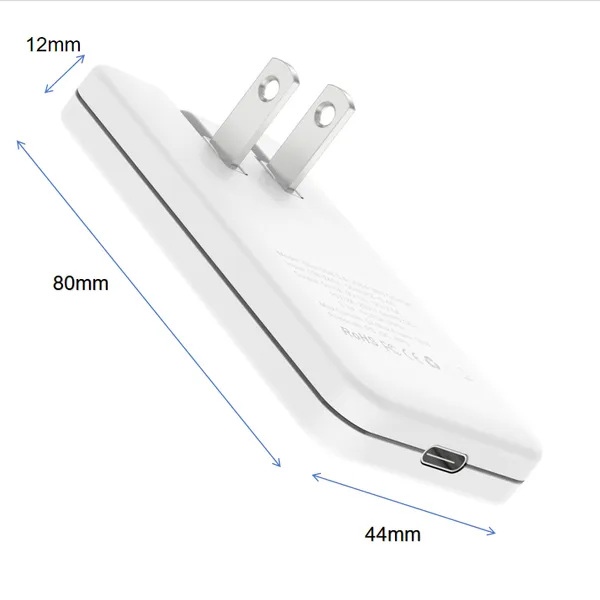 Read More

Contact Us
Recommended Products
-
 65W GaN Dual USB C USB a Fast PD Wall Charger for Tablets IPhone AndroidUS$ 7.8 - 8.5MOQ: 500 Pieces
 -
PD 3.0 Multi Port Foldable GaN 20W Fast Wall Charger for Mobile Phone and Other DevicesUS$ 5 - 5.3MOQ: 250 Pieces
-
PD3.0 Fast Charger Adopter Type Charger 20w for Mobile Phone and Other DevicesUS$ 4.3 - 4.8MOQ: 250 Pieces
-
2023 Innovative Products Multifunction Electrical Product Slim Fast Travel Charger for PhoneUS$ 4.3 - 4.8MOQ: 250 Pieces
-
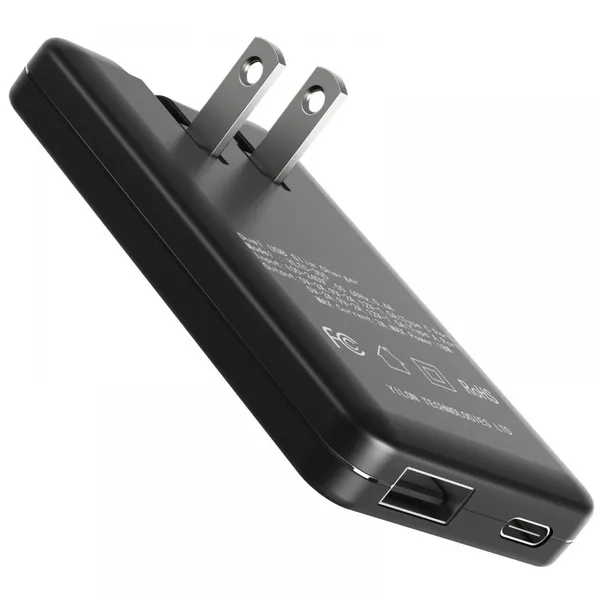
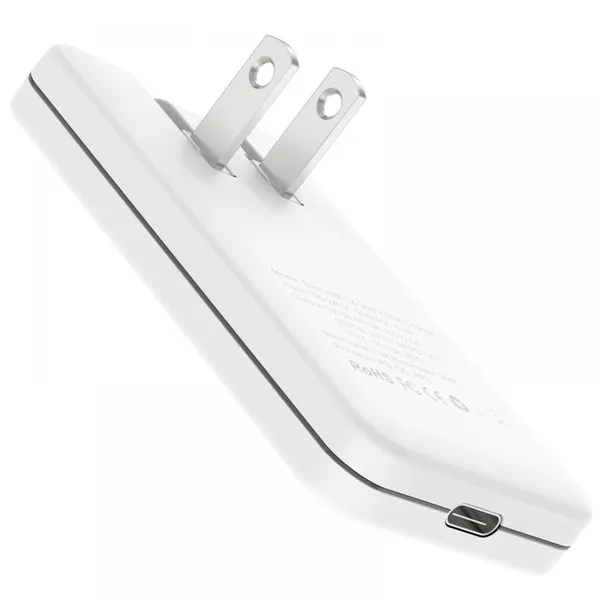
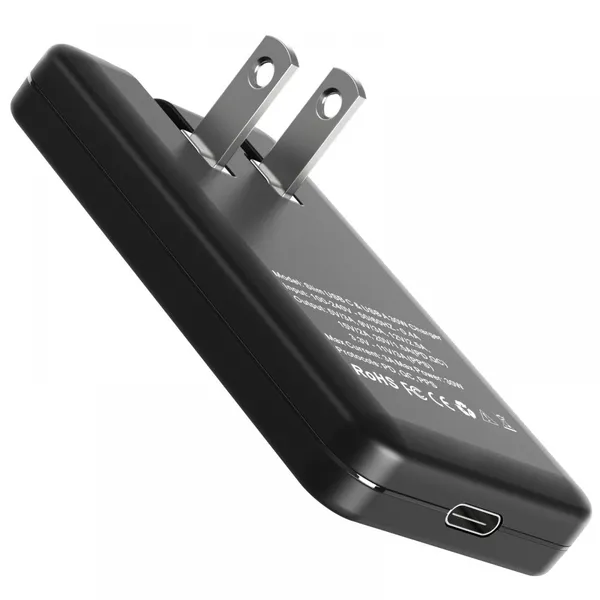
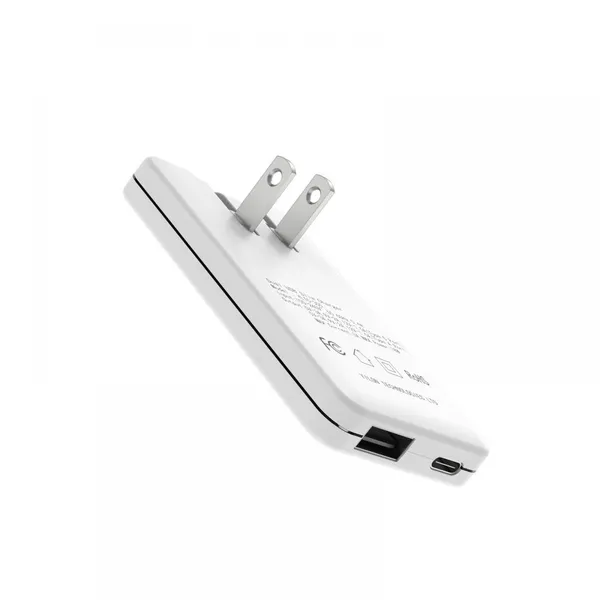
GaN Tech 20W PD Universal for IPhone/Huawei/Xiaomi Smart Cooling Folding Plug Manufacturers of Original Mobile Phone ChargerUS$ 5.0 - 5.3MOQ: 250 Pieces
-
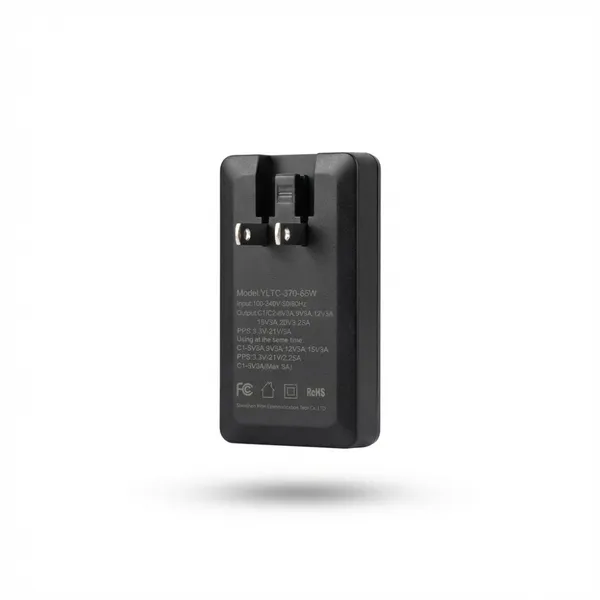
Foldable Plug UK Wall Charges With USB/USB-C Ports Suitable for Mobile Phones, Tablets Compatible and PortableUS$ 5 - 5.4MOQ: 100 Pieces
-
2026 New Model Biscuit Charger 30W Fast Charging Foldable Plug Portable CompatibleUS$ 5.2 - 5.8MOQ: 100 Pieces
-
UK Biscuit Charger Original Manufacturer Shenzhen Yilon Produces Private Model High-Quality Portable Compatible 30W Fast ChargerUS$ 5.2 - 5.8MOQ: 100 Pieces
-
35W GaN Universal Folding Pin Power Adapter QC3.0 Slim Fast Charger Type C for Smart PhoneUS$ 5.5 - 6MOQ: 250 Pieces
-
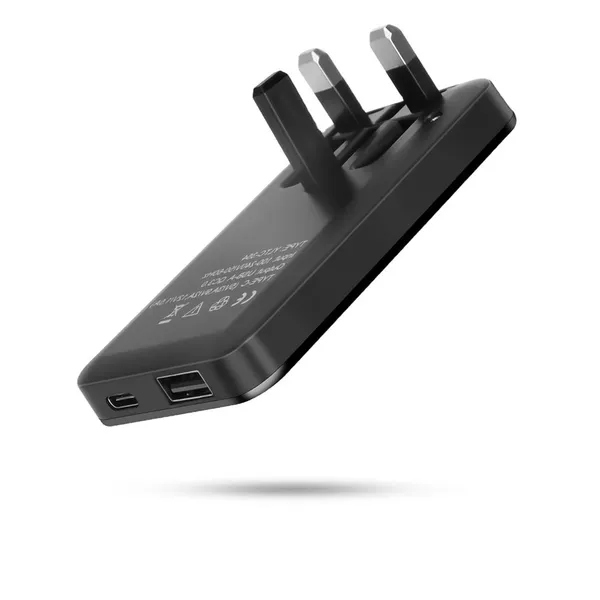
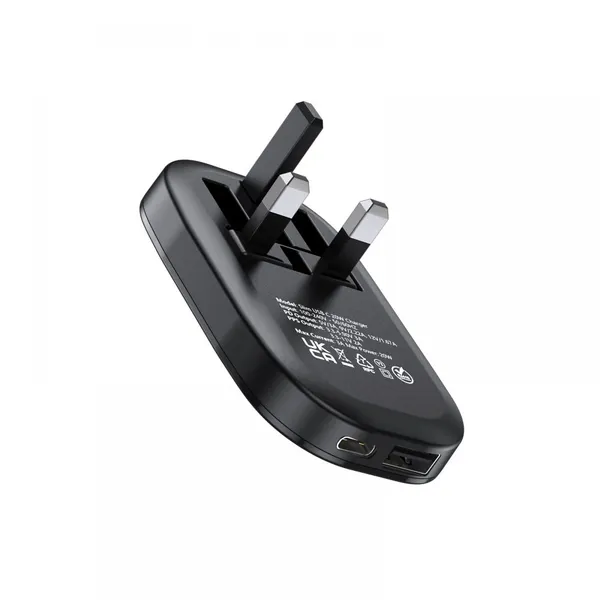
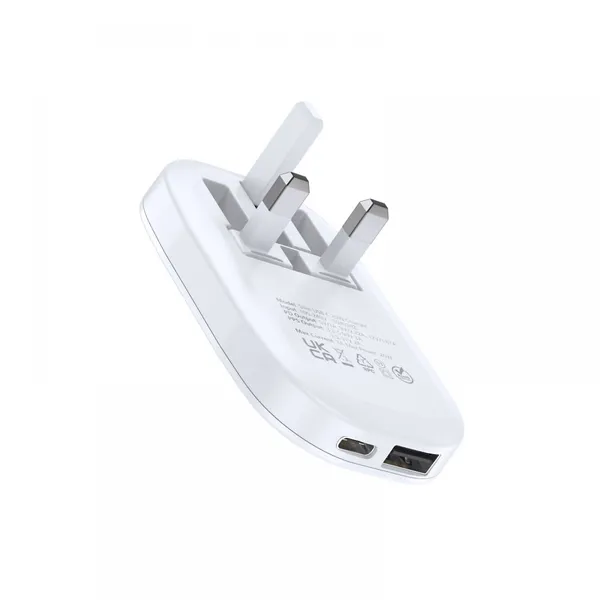
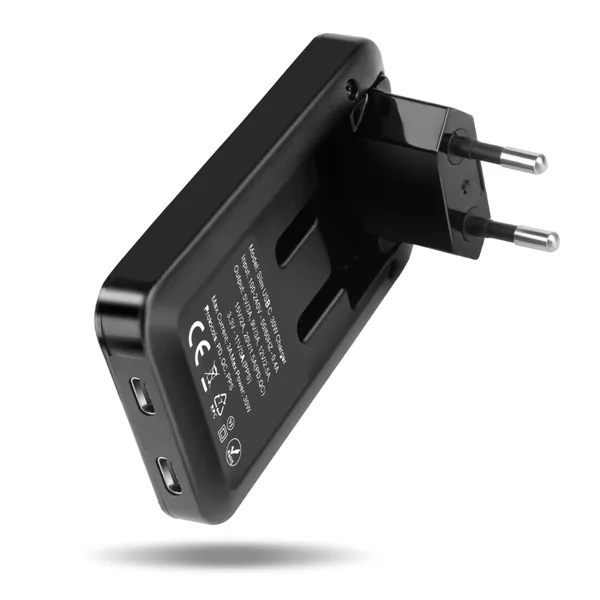
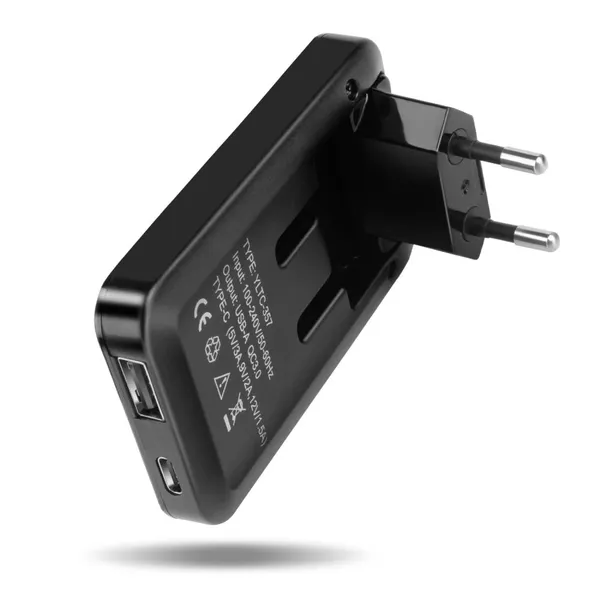
High Quality Compatible Spare Adapter Charger; 9V2A Adapter With Flat Design for Wireless Charging Station, IPhone, SamsungUS$ 5.0 - 5.4MOQ: 250 Pieces
-
Foldable Portable Compatible Charger PD3.0 + QC3.0 Dual Type-C Mobile Travel Adapters Fast Charging Eu Plug AdapterUS$ 5.5 - 6MOQ: 100 Pieces
-
PD3.0 Usb&Type Port Fast Charging Charger for Mobile Phone and Other DevicesUS$ 5.2 - 5.8MOQ: 100 Pieces
-
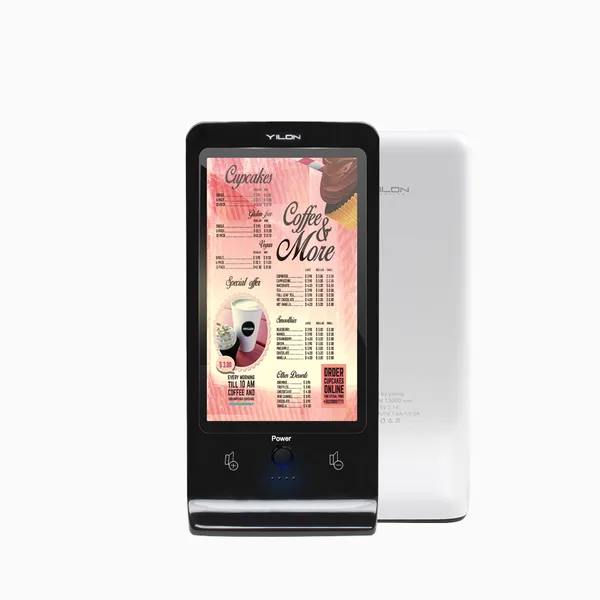
USB Charging Station Based Small Commercial Display 8.5inch Small Advertising MachineUS$ 40 - 42MOQ: 100 Sets
-
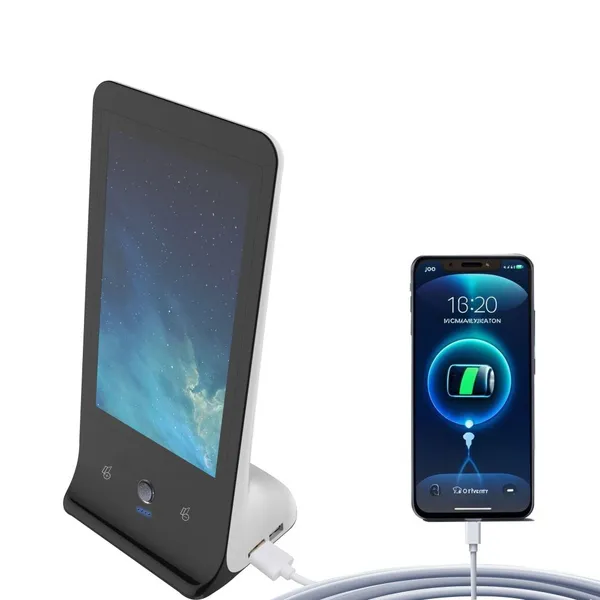
8.5inch Video Player for Indoor Commercial Use With Device Charging Capability, 13000mAh Large Battery, Ultra-Long Battery LifeUS$ 40 - 42MOQ: 100 Pieces
-
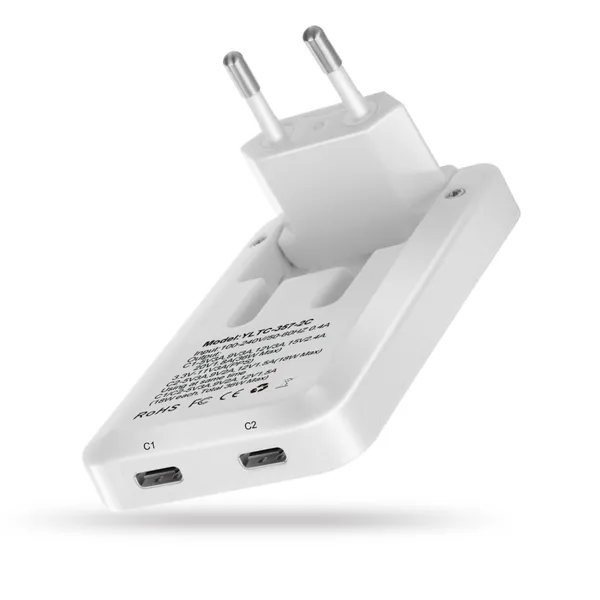
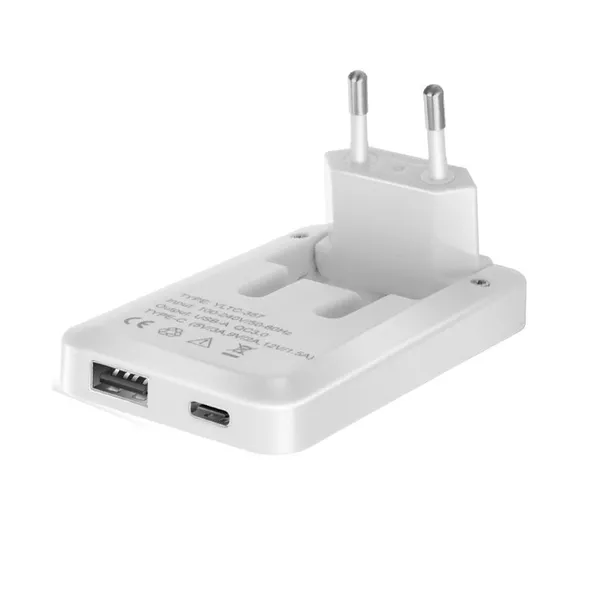
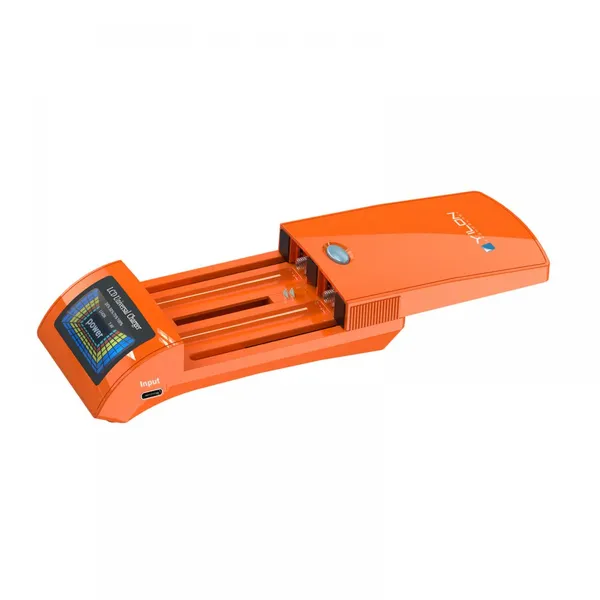
USB-C Input Smart Batteries Charger With LCD Display for 1.2V/3.7V/7.4V/9V Ni-MH Li-ion Li-Po Ni-Cd 600mA With OCP OTP SCPUS$ 6.5 - 7MOQ: 100 Sets
-
Yilon 3.7V 7.4V Battery Charger for Cannon Casio Samsung Olympus Nikon CameraUS$ 6.5 - 7MOQ: 100 Sets
-
USB-C Input Universal Batteries Charger Fast Charging for aa Aaa 18650 26650 and All Camera Brand's BatteriesUS$ 6.5 - 7MOQ: 100 Sets
-
Top High Power Fast Charger Type c 65w PD QC PPS CE QC3.0 Usb Wall Adaptor 25W 45W 65W CE Certificate GaN ChargerUS$ 7.8 - 8.3MOQ: 500 Pieces
-
20W/45W/65W Portable USB Wall Charger Type C Charging PD Charger Card Thin ChargerUS$ 7.8 - 8.3MOQ: 500 Pieces
-
USB/USB-C 20W GaN Fast Charging Folding Slim Travel Charger Card Thin UK PlugUS$ 5.0 - 5.4MOQ: 100 Pieces